House Clearance Hampstead Heath — Recycling and Sustainability
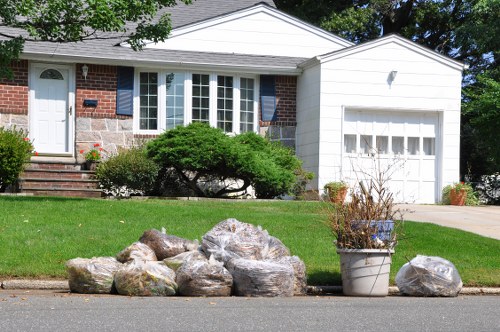 Welcome to our sustainability statement for House Clearance Hampstead Heath. We focus on delivering a responsible, eco-friendly approach to clearing properties across the Heath and surrounding neighbourhoods. Our aim is to make every clearance part of a broader environmental solution for the local area: from responsible reuse to low-carbon transport and careful sorting that supports borough recycling schemes.
We set a clear recycling percentage target to measure progress and accountability. Our current corporate goal is to reach a 65% recycling and reuse rate across all Hampstead Heath house clearance projects by 2030, with interim milestones each year to improve separation, repair and donation rates. These targets are backed by routine audits and data-sharing with local waste authorities so we can continuously refine our processes.
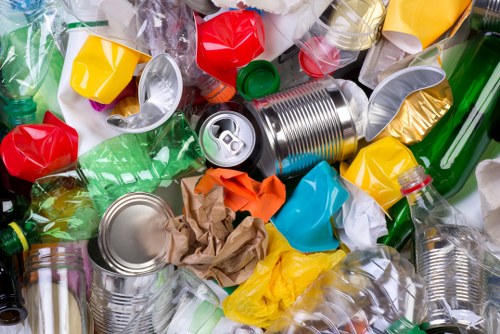 In practical terms, our operations align with the boroughs’ approach to waste separation — particularly the systems used by Camden and neighbouring boroughs. The local council frameworks typically emphasise separate collections for food waste, mixed recyclables and residual rubbish, plus special streams for textiles and bulky items. To reflect that, our teams pre-sort on-site and use marked containers so that Hampstead Heath house clearance jobs feed directly into the right recycling streams. Examples of the types of material we commonly divert include:
- Furniture and household items for reuse or donation
- Paper, card, glass, plastics and metal from kitchens and storage areas
- Textiles separated for clothing banks and charity partners
Local transfer stations and sustainable routing
We work closely with local transfer stations and recycling facilities that serve north London, ensuring that waste collected during a Hampstead Heath clearance is taken to the correct processing point. Where possible we consolidate loads to local transfer hubs to reduce double handling and limit vehicle miles. This reduces our carbon footprint and supports efficient waste sorting at facility level, improving recycling quality and yield.
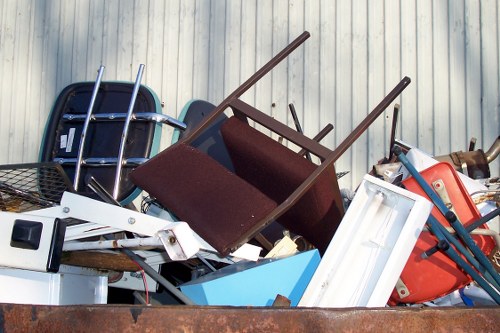 Partnerships with transfer stations enable faster sorting into metal, wood, inert, WEEE (electrical) and reusable items, and they help us minimise what goes to landfill. We prioritise facilities that demonstrate strong diversion rates to reuse and energy recovery and that comply with local environmental permits.
To complement transfer facility work, we maintain formal partnerships with local charities and social enterprises that accept used furniture, appliances and textiles. By designating collections for donation and reuse we reduce waste and support community needs: items that are still in good condition are redirected to charity channels before any recycling is considered.
Charity partnerships, reuse networks and low-carbon vehicles
Working with registered charities and community reuse organisations is a core part of our sustainable rubbish area practice. We collaborate with furniture reuse groups, clothes banks and social enterprises to give items a second life where possible. These partnerships reduce environmental impact while also delivering social benefits — ensuring that more possessions are redirected to families and projects in need rather than being shredded or incinerated.
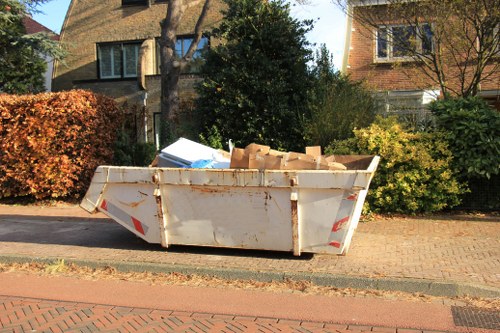 Our transport policy prioritises low-emission vehicles. We operate a fleet that includes hybrid and fully electric vans for short urban trips and low-emission diesel vehicles for larger loads where electric alternatives are currently impractical. Route planning software reduces empty running, and smaller cargo bikes are used for urgent urban pickups when appropriate. Together these measures form our low-carbon vans strategy for Hampstead Heath clearances and local drop-offs.
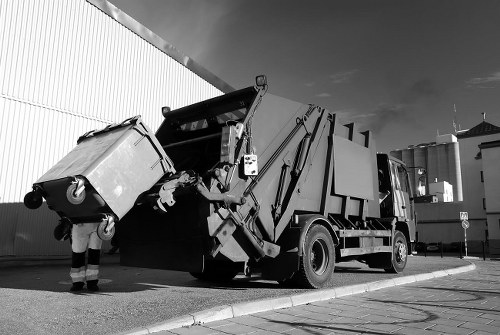 Operationally we also focus on clear segregation at source: on-site tagging and photographic records ensure that fixtures, fittings and household items are either reused, donated, or routed to the correct recycling stream. Hazardous items such as batteries, paints and certain electronics are removed and transferred via authorised channels. This attention to detail helps maintain the boroughs’ high standards for waste separation and keeps our services aligned with local recycling policies.
As part of our commitment to the sustainable rubbish area concept, we invest in continuous staff training and community engagement. Crews are trained in safe handling, sorting priorities and the criteria for donation versus disposal. We also run occasional community collection days and collaborate with local groups to identify where reuse can be maximised, helping Castle, Hampstead and other neighbourhoods benefit from a circular approach to household waste.
We publish annual diversion figures and work toward improving our recycling percentage target year-on-year. Our monitoring includes metrics for tonnage diverted to reuse, tonnage recycled versus residual landfill and the carbon savings achieved through vehicle optimisation and shorter transfer distances. Transparency matters: that is why we track outcomes and refine processes to make Hampstead Heath house clearance services genuinely sustainable.
Choosing a contractor who understands the environmental context — the Hampstead Heath house clearance perspective — ensures your clearance contributes to a cleaner, greener local waste system. Our model for an eco-friendly waste disposal area combines careful on-site sorting, smart routing to transfer stations, charity partnerships and investment in low-carbon vans to reduce emissions while maximizing reuse and recycling across the boroughs.