Guidance for Handling Unemptied Waste Bins
Managing unemptied waste bins can present various challenges for households, businesses, and communities alike. In order to promote cleanliness, hygiene, and environmental sustainability, it is imperative to adopt effective strategies to deal with waste that has not been collected as intended. This comprehensive guide provides practical advice on how to handle these situations effectively.
Understanding the Impact of Unemptied Waste Bins
Uncollected waste can lead to numerous problems, ranging from unpleasant odors to serious health hazards. Here are some of the impacts:
- Hygiene Concerns: Accumulated waste can harbor bacteria, leading to health risks.
- Environmental Damage: Overflowing bins can contribute to pollution.
- Vermin Infestation: Rodents, insects, and other pests are attracted to waste.
Causes of Unemptied Waste Bins
Several factors contribute to waste not being collected on schedule. Key reasons include:
- Scheduling Issues: Misunderstood or missed collection schedules.
- Operational Challenges: Shortages in collection staffing or equipment.
- Improper Waste Disposal: Incorrect sorting or not adhering to regulations.
Strategies for Managing Uncollected Waste Bins
Effective Communication with Waste Management Services
One of the immediate steps is to ensure communication with your waste management provider. Consider the following:
- Contact the Provider: Report the issue using their hotline or app.
- Verify Schedule: Confirm the collection dates and times.
- Seek Clarification: Ask about any disruptions in service.
Preventive Measures to Avoid Future Issues
To minimize future occurrences of waste not being collected, implement these preventive measures:
- Organize Waste Properly: Ensure waste is sorted as per the guidelines.
- Monitor Fill Levels: Avoid overloading waste bins to prevent collection issues.
- Adhere to Regulations: Comply with local waste management laws.
Alternatives for Waste Disposal
In instances where immediate collection is not feasible, explore these alternatives:
- Community Recycling Centers: Utilize local facilities to dispose of recyclable waste.
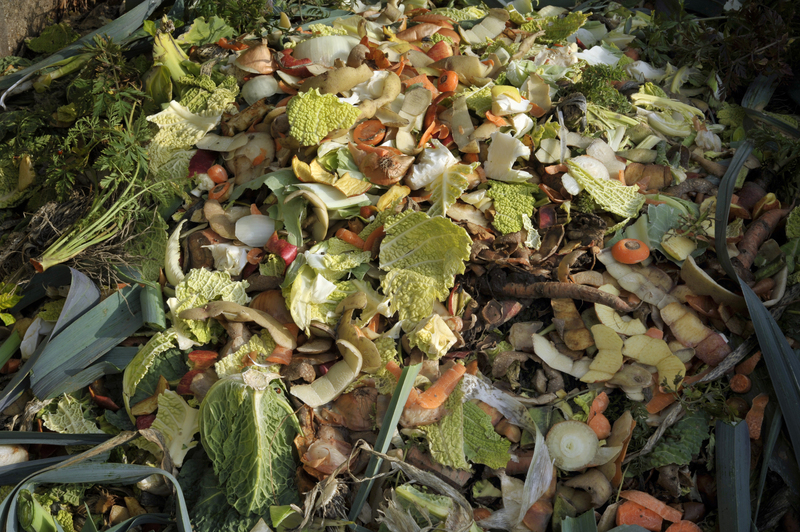
- Composting: Set up a compost bin for organic waste.
- Private Waste Collection Services: Hire a third-party collector for one-off pickups.
Environmental Considerations
Proper waste management is crucial to ensure a sustainable environment. Here's how you can help:
- Reduce Waste Generation: Adopt practices like recycling and reusing materials.
- Educate Your Community: Advocate for best practices in waste management.
- Support Green Initiatives: Participate in environmental programs and events.
Dealing with Overflowing Waste Bins
Should you find your waste bins overflowing, take these immediate actions:
- Portable Waste Storage: Use temporary containers to manage excess waste.
- Protect from Pests: Seal bins tightly to deter vermin.
- Maintain Sanitation: Regularly clean bin areas to minimize health risks.
Conclusion: Proactive Waste Management for Cleaner Communities
Handling unemptied waste bins is a matter of community responsibility and personal diligence. By understanding the issues, keeping open lines of communication with service providers, and adopting suitable alternatives and preventive mechanisms, we can ensure our surroundings remain clean and sustainable.
Encourage your neighbors and local authorities to partake in making informed choices about waste management. Together, we can pave the way for a healthier, cleaner, and more sustainable future.