Green Waste Collection: A Simple Guide to Protecting Our Ecosystems
Introduction
Every twig, leaf, and blade of grass you set aside has a bigger job than you think. When managed correctly, green waste transforms from a disposal problem into a climate solution, soil builder, and biodiversity booster. This long-form, expert-led guide on Green Waste Collection: A Simple Guide to Protecting Our Ecosystems walks you through what to put in your green bin, how to prevent contamination, how the process works behind the scenes, and the laws and standards that keep it all safe and effective. Whether you manage a household, an estate, a business, or a council contract, the practical steps and tools below will help you capture more organics, reduce costs, and return nutrients to the land.
Beyond good intentions, this guide uses best-practice insights from UK regulations, industry standards, and field audits of organics programmes to help you recycle organics right. From yard debris pickup to food and garden organics (FOGO), from kerbside bins to community composting, you'll learn exactly how to protect ecosystems while building a cleaner circular economy.
Table of Contents
- Why This Topic Matters
- Key Benefits
- Step-by-Step Guidance
- Expert Tips
- Common Mistakes to Avoid
- Case Study or Real-World Example
- Tools, Resources & Recommendations
- Law, Compliance or Industry Standards (UK-focused)
- Checklist
- Conclusion with CTA
- FAQ
Why This Topic Matters
Organic waste that ends up in landfill lacks oxygen and decomposes anaerobically, producing methane--a potent greenhouse gas. According to the Intergovernmental Panel on Climate Change (IPCC), methane has a global warming potential roughly 28 times higher than CO2 over 100 years (and much higher over shorter periods). Landfills are consistently ranked among the largest anthropogenic sources of methane worldwide. Diverting garden and food organics through green waste collection drastically reduces these emissions.
But climate isn't the only win. Turning green waste into compost and digestate returns carbon and nutrients to soil, improving structure, water retention, and resilience to drought and erosion. High-quality compost supports soil biodiversity--from fungi and bacteria to earthworms--which amplifies nutrient cycling and plant health. In urban areas, organics recycling also reduces the need for chemical fertilisers, cutting runoff and protecting rivers and coastal ecosystems.
From a circular economy perspective, Green Waste Collection: A Simple Guide to Protecting Our Ecosystems isn't just about "getting rid of" waste: it's about recapturing value and regenerating natural systems. Capturing organics cleanly and consistently ensures compost conforms to specifications (e.g., PAS 100) and digestate meets agronomic quality standards (e.g., PAS 110), keeping contaminants like plastic, glass, and persistent herbicides out of fields and food chains.
Key Benefits
Embracing green waste and organic waste collection delivers layered benefits:
- Climate impact reduction: Diverting organics from landfill reduces methane and supports local net-zero targets.
- Soil health and biodiversity: Compost returns organic matter to soil, fostering microbial life and improving water infiltration and retention.
- Cost savings: Separating heavy, wet organics can reduce residual waste volumes, cutting disposal fees (especially where landfill/incineration charges are high).
- Cleaner neighbourhoods: Proper set-out and storage management reduce odours, pests, and litter compared with overfull general waste bins.
- Local circular economy: Compost and digestate support local agriculture, landscaping, and habitat restoration projects.
- Regulatory compliance: Businesses meet Duty of Care obligations and, in many UK jurisdictions, mandatory food waste separation requirements.
- Fire and safety risk reduction: Timely yard debris removal can lower wildfire fuel in dry seasons and reduce trip hazards on sites.
When implemented well, green waste collection services are a cornerstone of modern resource management, letting communities do more with less while directly protecting ecosystems.
Step-by-Step Guidance
1) Know what counts as green waste
"Green waste" typically covers garden and yard organics: leaves, grass clippings, weeds (non-invasive), small branches, prunings, flowers, and plant cuttings. Many programmes also include food waste under organics or FOGO collections. Always confirm your local acceptance list, but here's a general guide:
- Accepted (garden): Leaves, grass, hedge trimmings, weeds (seed-free or non-invasive), small branches and twigs (often up to a set diameter), spent plants.
- Accepted (food, if FOGO): Fruit and veg scraps, coffee grounds, tea leaves, bread, plate scrapings (meat/dairy acceptance varies; check local rules).
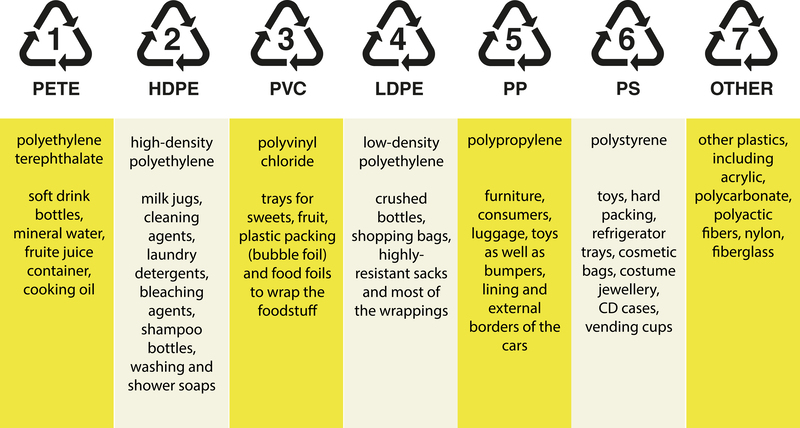
- Not accepted: Soil, stones, plastics, glass, metals, pet waste, treated timber, nappies, ash, hazardous materials, and most "biodegradable" plastics unless certified and explicitly allowed.
Tip: "Biodegradable" does not equal "compostable". Only certified compostable packaging (e.g., to EN 13432) may be accepted--and only if your collector and processor allow it. When in doubt, leave it out.
2) Choose the right service type
- Kerbside bin collection: Most households and many SMEs use council-provided or contracted bins. Sizes range from caddies (5-3 litres for indoor food waste) to 120/140/240-litre wheelie bins for outdoor set-out.
- Subscription garden waste services: Many UK councils offer a paid seasonal or annual subscription for larger garden volumes.
- Drop-off sites and civic amenity centres: Ideal for bulky prunings or seasonal spikes. Check ID and booking requirements.
- Bulk containers/skips for estates and businesses: For grounds teams, landscapers, campuses, and hospitality sites producing consistent volumes.
- Community composting: Allotments, community gardens, or co-ops can process local green waste, creating hyperlocal soil amendments.
3) Prepare and sort correctly
- De-bag: Empty garden waste from plastic bags. If using liners for food caddies, only use approved compostable liners where accepted.
- Right-size woody material: Cut long branches to fit inside the bin; most schemes set a diameter limit (e.g., 5-7 cm).
- Keep soil and stones out: Soil adds weight, damages processing equipment, and reduces compost quality.
- Remove litter: Plastics and wires tangle shredders and contaminate compost.
4) Reduce contamination
Processors often run windrow or in-vessel composting (IVC) and anaerobic digestion (AD). All rely on clean feedstock. Contamination can lead to entire loads being rejected. Use these controls:
- Clear signage: A-photo or icon posters where bins are shared increases correct sorting.
- Colour coding: Use standard colours (e.g., green for garden, caddies for food) to reduce errors.
- Simple rules: "If it's not a plant or approved food scrap, don't put it in."
- Spot checks: For businesses and flats, periodic checks and feedback loops significantly cut contamination rates.
5) Store material safely
- Airflow and moisture: Avoid sealing wet grass in airtight containers for long periods; it causes odours. Layer with leaves or cardboard to absorb moisture.
- Pest-proof: Keep lids closed; for food waste, use caddies with locking lids and, where accepted, compostable liners.
- Weight management: Do not overfill bins or pack with heavy soil; this risks missed collections and injuries.
6) Set-out and scheduling
- Know your collection day: Missed collections lead to overflow and contamination risks. Consider reminders or bin collection apps.
- Present correctly: Wheels to kerb, lid closed, handle orientation per local guidance, by the stated time (often 6-7 a.m.).
- Seasonal variation: Expect higher volumes in spring/autumn; plan extra drop-offs or additional bins where available.
7) What happens after collection?
Understanding the process helps you sort better:
- Composting (windrow/IVC): Material is shredded, blended for optimum carbon:nitrogen ratio, and composted at controlled temperatures to sanitise pathogens and weed seeds. The result, when quality assured, becomes a stable compost.
- Anaerobic digestion (AD): Where food waste is included, AD captures biogas (for heat/electricity or upgraded to biomethane) and produces nutrient-rich digestate used on fields.
- Quality assurance: To meet markets and protect soils, processors target specifications such as PAS 100 (compost) and PAS 110 (AD digestate).
8) Home composting and mulching
Not all organics must leave your property. For many households and estates, on-site solutions reduce transport emissions and create immediate soil benefits.
- Compost heaps/bins: Aim for a 2-3:1 mix of browns (leaves, cardboard, prunings) to greens (grass, veg scraps). Turn every 2-3 weeks; keep as damp as a wrung-out sponge.
- Mulching mowers: Leave fine grass clippings on lawns to reduce fertiliser needs.
- Leaf mould: Bag leaves with a little moisture and perforations; wait 9-12 months for a crumbly soil conditioner.
- Wormeries/Bokashi: Great for flats and small spaces to handle kitchen scraps with minimal odour.
9) Special materials
- Invasive plants (e.g., Japanese knotweed): Do not place in green bins. These require specialist handling under UK regulations; check local disposal guidance.
- Diseased plants: Some schemes accept if IVC temperatures will sanitise; others advise residual waste. Confirm locally.
- Herbicide-treated grass: Avoid composting if persistent herbicides were used; they can carry through and harm plants.
10) For businesses and multi-occupancy sites
- Waste audits: Identify organics hotspots (kitchens, landscaping teams) and tailor bin sizes/locations.
- Training and signage: Staff turnover demands simple, repeated messaging with visuals.
- Service levels: Balance frequency and container size to prevent overflow while minimising collections.
- Records and Duty of Care: Keep contracts and waste transfer notes; verify carriers' licences.
Expert Tips
- Think like a processor: If you wouldn't want to find it in finished compost, don't put it in the green bin. That rule alone slashes contamination.
- Use brown buffers: Alternate "browns" (dry leaves, cardboard) with "greens" (grass, veg) to balance moisture and reduce odour.
- Right-size tools: Loppers or a small electric shredder make branches bin-friendly and speed composting.
- Place bins smartly: Near garden gates or kitchen exits to encourage use; inside, keep a countertop caddy within arm's reach.
- Seasonal swaps: In autumn, temporarily upsize your garden bin or schedule a drop-off; in winter, reduce food waste bin volume to avoid frozen lids.
- Label liners: If compostable liners are allowed, choose ones with clear certification marks and the right size to reduce tearing.
- Measure to manage: Organisations that weigh bins (or monitor fill levels) consistently cut costs and improve recycling rates.
- Feedback loops: Short, positive notes on bins ("Thanks for keeping plastic out!") drive behavioural change better than generic warnings.
Common Mistakes to Avoid
- Bagging green waste in plastic: Bags wrap around shredders and contaminate compost. Always tip loose.
- Confusing biodegradable with compostable: Only certified compostable items may be accepted, and many schemes still exclude them.
- Overfilling or compacting bins: Overweight bins aren't collected; compacted grass turns anaerobic and smelly.
- Including soil, stones, or ash: These add weight, damage kit, and reduce product quality.
- Bonfires as a default: Burning garden waste causes smoke and air pollution; in the UK, nuisance smoke can trigger enforcement under statutory nuisance rules.
- Mixing invasive weeds: Some species spread through compost; use specialist routes.
- Assuming all councils accept the same items: Acceptance varies; always check local guidance.
Case Study or Real-World Example
Wales: World-leading organics capture through weekly food waste collection
Wales has consistently achieved one of the highest municipal recycling rates globally (around 65% in recent years), driven in part by weekly, separate food waste collections and clear kerbside sorting principles set by the Welsh Government. Many Welsh councils also offer garden waste services by subscription or seasonal programmes.
Key outcomes reported by councils and WRAP-supported programmes include:
- Higher capture rates of organics: Weekly collections make it convenient to separate food waste, reducing odours in residual bins and improving participation.
- Lower contamination: Consistent communication, standardised containers, and targeted feedback keep feedstock clean for AD and composting.
- Energy and soil benefits: Food waste sent to AD produces biogas and digestate, closing the loop locally.
South Oxfordshire & Vale of White Horse (England): These councils have frequently ranked near the top of England's recycling tables, supported by weekly food waste collections, strong communications, and subscription garden waste services. The combination of service design (frequency and container choice), engagement (easy-to-understand rules), and quality control (contamination monitoring) demonstrates how organics programmes can scale without sacrificing quality.
Tools, Resources & Recommendations
- Indoor caddies and outdoor bins: 5-3 litre kitchen caddies paired with 23-25 litre kerbside caddies or 120-240 litre garden bins.
- Compostable caddy liners: Only if your collector accepts them; look for EN 13432 certification.
- Shredders and loppers: For woody prunings; check diameter limits to fit your bin and processing rules.
- Compost thermometers and moisture meters: For home composting quality control.
- Mulching mowers and leaf vacuums: Reduce collection volumes and return nutrients on-site.
- Signage packs: Photographic "what goes where" signs for shared bins reduce contamination.
- Apps and reminders: Many UK councils offer collection calendars and contamination guidance via apps.
Credible references and further reading:
- WRAP (Waste & Resources Action Programme) - UK guidance, data, and behaviour change tools for organics.
- Waste Duty of Care Code of Practice (GOV.UK) - legal responsibilities for businesses and carriers.
- Environmental Protection Act 1990, s34 - Duty of Care for waste.
Law, Compliance or Industry Standards (UK-focused if applicable)
Organics management in the UK sits within a robust legal and standards framework. Key points for households, businesses, and operators include:
- Environmental Protection Act 1990 (EPA) & Duty of Care: Section 34 places a legal duty on those who produce, carry, or dispose of waste to take all reasonable steps to prevent its escape, ensure safe handling, and transfer only to authorised persons.
- Waste (England and Wales) Regulations 2011: Establish the Waste Hierarchy (prevention, reuse, recycling, recovery, disposal) and requirements to consider separate collections to ensure high-quality recycling.
- Consistency/Simpler Recycling policy (England): DEFRA has committed to consistent collections, including weekly food waste collection for households, rolling out in coming years. Check the latest implementation timelines.
- Scotland's Waste (Scotland) Regulations 2012: Many businesses producing more than a specified quantity of food waste must separate it for collection; household food waste services are common.
- Wales' Collections Blueprint: Emphasises kerbside sort and weekly separate food waste collection to maximise quality and capture.
- Animal By-Products Regulation (EC) 1069/2009: Governs the treatment of catering waste including meat/dairy when processed via composting or AD, typically requiring approved in-vessel composting or AD systems.
- Clean Air and statutory nuisance: Bonfires and smoke may constitute a statutory nuisance; local authorities can take enforcement action.
- Quality standards: PAS 100 (quality compost) and PAS 110 (quality digestate) define product specifications, input controls, and process requirements to protect soils and users.
- Certification for packaging: EN 13432 defines industrial compostability. Acceptance still depends on the collector/processor; many UK systems do not accept compostable packaging due to contamination risk.
- Waste classification and documentation: Use correct LoW/EWC codes (e.g., 20 02 01 for garden waste, 20 01 08 for biodegradable kitchen/canteen waste). Keep waste transfer notes and ensure carriers are licensed.
Practical compliance steps for organisations:
- Complete a waste audit to identify organics streams and volumes.
- Contract with a licensed carrier/processor offering food and/or green waste services aligned with your streams.
- Train staff and display signage; establish written procedures.
- Maintain documentation (contracts, duty of care records, transfer notes, service reports).
- Monitor contamination and provide feedback to improve quality over time.
Checklist
- Confirm what your local green waste collection service accepts (garden only, or FOGO).
- Get the right containers (indoor caddy, outdoor garden bin) and place them where they're easy to use.
- Only use approved liners if explicitly accepted; otherwise set out organics loose.
- Cut branches to size; keep soil, stones, and litter out.
- Layer greens with browns to control moisture and smell.
- Know your collection day and present bins correctly.
- Use drop-off sites for seasonal surges of prunings.
- Home compost or mulch where suitable to reduce volumes and return nutrients on-site.
- For businesses: train staff, label bins, and keep duty of care records.
- Check local rules for invasive plants and diseased material.
Conclusion with CTA
When you look at the full picture, Green Waste Collection: A Simple Guide to Protecting Our Ecosystems is really a blueprint for climate action, soil regeneration, and healthier communities. By sorting correctly, preventing contamination, and choosing the right service model, you turn "rubbish" into a resource that feeds farms, parks, and gardens while cutting greenhouse gases. The steps in this guide make it simple to start, and the benefits compound season after season.
Whether you're optimising an estate, launching a business programme, or making your household more sustainable, you now have the know-how to capture organics with confidence. Put the guidance into action and track your results--you'll likely see cleaner bins, fewer odours, lower costs, and healthier soil.
Get a free quote today and see how much you can save.
By choosing well-designed organic waste collection and composting solutions, you're not only disposing responsibly--you're actively protecting ecosystems and investing in a circular, resilient future.
FAQ
What exactly is considered green waste?
Green waste typically includes garden and yard organics such as leaves, grass clippings, hedge trimmings, flowers, and small branches. Many areas also collect food waste separately or as part of a FOGO scheme. Soil, stones, plastics, metals, pet waste, and treated wood are not considered green waste.
Why shouldn't organic waste go to landfill?
In landfill, organics break down without oxygen and emit methane, a greenhouse gas far more potent than CO2. Diverting organics through composting or anaerobic digestion reduces emissions and returns nutrients to the soil.
Can I put biodegradable or compostable bags in the green bin?
Only if your local service explicitly allows them and they're certified (e.g., EN 13432 for industrial composting). Many UK processors still don't accept compostable packaging due to contamination risks, so always check local guidance.
Are meat and dairy accepted in green waste collections?
It depends. Many garden-only schemes exclude all food. Where food waste is collected, processors sometimes accept meat and dairy if the facility uses in-vessel composting or anaerobic digestion that meets Animal By-Products regulations. Confirm locally.
How do I keep smells and pests away?
Keep lids closed, layer wet materials (grass or food scraps) with drier browns (leaves, cardboard), and empty caddies frequently. Rinse caddies with a mild vinegar solution and avoid storing wet grass in sealed containers for long periods.
What happens to green waste after it's collected?
It's shredded and processed via windrow or in-vessel composting to create stable compost, or sent to AD facilities (where food is included) to generate biogas and produce nutrient-rich digestate used on farmland.
Is home composting better than kerbside collection?
Both are beneficial. Home composting eliminates transport emissions and creates on-site soil conditioner. Kerbside collection captures larger volumes, including materials you may not want to compost at home (e.g., cooked food if allowed), and produces quality-assured outputs for wider use.
How do businesses comply with UK organics regulations?
Conduct a waste audit, set up separate collections with a licensed carrier, train staff, use clear signage, and keep duty of care records (contracts, transfer notes). In parts of the UK, separate food waste collection is mandatory for many businesses.
Can I include soil and stones with garden waste?
No. Soil and stones add weight, damage processing equipment, and degrade compost quality. Shake soil from roots and keep soil/aggregate out of the green bin.
How do I dispose of invasive or diseased plants?
Do not place invasive species (like Japanese knotweed) in green bins; they require specialist disposal under UK rules. Diseased plants may be accepted only by certain in-vessel facilities--check local guidance.
What's the difference between biodegradable and compostable?
"Biodegradable" means something can break down eventually but not necessarily in a composting system or within a set timeframe. "Compostable" means it meets standards (e.g., EN 13432) to break down under specific composting conditions without leaving harmful residues.
Are bonfires a problem if I have lots of garden waste?
Bonfires create smoke and air pollution and can be a statutory nuisance. Composting, mulching, or council green waste services are cleaner, safer options.
How can I reduce the volume of green waste I produce?
Use mulching mowers, choose native and slow-growing plants, apply "leave the leaves" principles in bedded areas, and chip or shred prunings to use as mulch.
What if my green bin gets contaminated?
Remove visible contaminants before collection. If a load is rejected, contact your council or provider for guidance. For shared bins, add clear signage and conduct quick spot checks to prevent recurrence.
Do green waste programmes operate in winter?
Many do, though frequencies can change seasonally. Food waste collections are commonly year-round. Check your local calendar and adapt storage to prevent frozen lids.
Will compost from green waste contain microplastics?
High-quality facilities strive to meet product standards like PAS 100, which limit physical contaminants. Keeping plastics out of your green bin is the best way to minimise microplastic risk in finished compost.
What savings can businesses expect from separating organics?
Results vary, but diverting heavy organics often reduces general waste bin size or frequency, lowering disposal costs. Clean streams also reduce contamination fees and rejected loads.
Can I put ashes in the green bin?
No. Ash (even cooled) is not accepted in green waste. It can raise pH and contaminate composting systems. Dispose of ash according to local guidance, typically in residual waste once fully cooled and bagged.
How do I know if my collector accepts compostable packaging?
Check the official acceptance list and look for explicit mentions of certified compostable items. If it's not clearly accepted, assume it's not allowed and place it in residual waste to protect compost quality.