An In-Depth Look at Handling Hard Rubbish effectively
An In-Depth Look at Handling Hard Rubbish Effectively
Dealing with hard rubbish can be a daunting task, especially when it's not something we do frequently. The term "hard rubbish" generally refers to bulky waste items that cannot be disposed of through regular garbage collection. These items include old furniture, appliances, electronics, and other large or hazardous materials. Understanding how to manage and dispose of this waste responsibly can help keep our homes clutter-free while minimizing environmental impact.
Understanding Hard Rubbish Collection
Most municipalities offer **hard rubbish collection** services, typically once or twice a year, allowing residents to dispose of large items conveniently. However, the rules about what can and cannot be collected vary widely, so it's crucial to check with your local council for specific guidelines.
Common Items Collected
- Old furniture like sofas, tables, and chairs
- Large appliances such as fridges, washing machines, and ovens
- Electronics, including televisions and computers
- Mattresses and bed frames
Being aware of these categories can help you sort your items beforehand, making the process smoother when your collection day arrives.
Environmental Impacts and Benefits
Handling hard rubbish responsibly not only helps in decluttering your living space but also plays a significant role in environmental conservation.
Negative Environmental Impact
Improper disposal can lead to increased landfill waste, pollution, and resource wastage. Dumping electronics irresponsibly can release toxic substances into the environment, affecting both local ecosystems and human health. Understanding these impacts compels us to dispose of waste thoughtfully.
Reducing Your Carbon Footprint
Proper disposal and recycling of hard rubbish can greatly reduce your carbon footprint. Many materials used in bulk items, such as metals and plastics, can be recycled, leading to reduced demand for virgin materials.
Effective Strategies for Hard Rubbish Management
With the right strategies, managing hard rubbish can be both effective and efficient.
1. Educate Yourself
Start by understanding the rules and regulations of hard rubbish management in your area. Each locality may have different requirements concerning what items can be collected and how they should be prepared for collection.
2. Plan Ahead
Planning ahead can prevent last-minute scrambles and ensure a more organized process. Make a list of items you intend to dispose of and see if they meet the criteria set by your local waste management authorities.
3. Explore Recycling Options
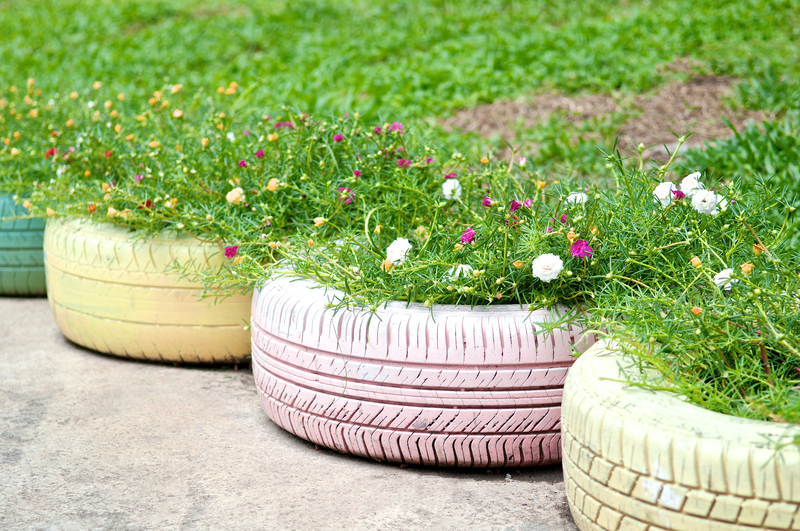
Before sending everything to the curb, consider options for recycling or repurposing. Many items considered as rubbish can find new life with a bit of creativity.
- Schemes for recycling electronic waste, often termed as "e-waste," are available in many areas and should be utilized whenever possible.
- Metal and wood components of furniture can sometimes be repurposed or recycled.
4. Donation and Selling
Items in good condition may still hold value. Consider <_underline>donating<_/underline> or selling them before opting for disposal.
- Charity organizations may accept large items for reselling or direct use.
- Online marketplaces provide platforms to sell items that others may find useful.
Safety and Compliance
Ensuring that you follow safety guidelines and comply with local ordinances is pivotal in the hard rubbish disposal process.
Health and Safety
The handling of bulky items should be done with caution to prevent personal injury. Use proper lifting techniques, and consider safety gear if necessary.
Legal Compliance
Most regions have strict rules for the collection and disposal of hard rubbish. Non-compliance might not only incur fines but also contribute to environmental harm. It's imperative to know that:
- Certain items might require you to organize special disposal methods, especially hazardous materials.
- Placing items out too early or in the wrong way can result in penalties.
Looking Towards Sustainable Solutions
A growing awareness of environmental issues has led to innovative solutions in handling hard rubbish more sustainably. Community-based initiatives and technological advancements are leading the way in reducing waste and promoting recycling.
Community Initiatives
Participating in local clean-up days or "second life" events where people swap or donate items is a fantastic way of engaging with the community while reducing waste.
Technological Advancements
Modern technology is playing an instrumental role in advancing waste management. Smart bins and digital platforms are improving how we manage resources, aiming to transform the waste management system into a more circular economy model.
Conclusion
Effectively handling hard rubbish is about more than just clearing space; it's a responsible and essential practice for maintaining environmental health. By being informed and proactive, we can not only comply with legal requirements and enhance personal safety but also contribute to a more sustainable world. Ensuring proper disposal and recycling of bulky items, participating in community activities, and keeping abreast of technological innovations can lead us toward a cleaner, greener future.
Thus, the next time you plan to declutter your space, remember that managing hard rubbish responsibly is crucial for both the planet and your immediate environment.